

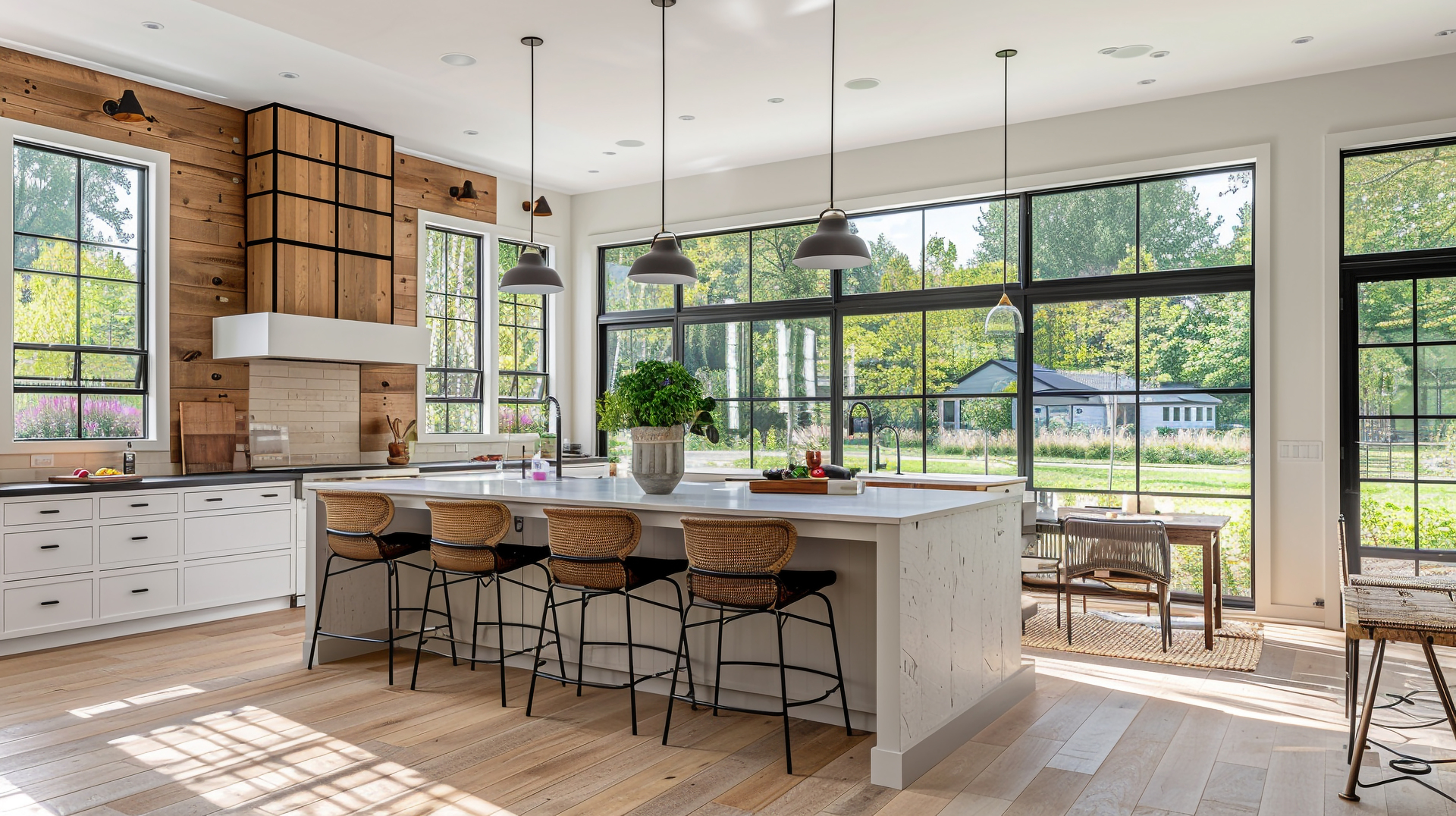
Hardwood floors have long been associated with warmth, character, and timeless appeal. Once limited mainly to living rooms and bedrooms, hardwood has steadily found its way into kitchens as homeowners look for a more cohesive, elevated feel throughout their homes. While the visual impact is undeniable, kitchens are also one of the most demanding spaces in any home. Heat, moisture, spills, and constant foot traffic all play a role in how well a floor performs over time. Installing hardwood in a kitchen can be a smart design choice—but only when the pros and cons are clearly understood.
Why kitchens are different from every other room
Kitchens experience daily challenges that few other rooms face. Water splashes from sinks and dishwashers, food spills during meal prep, and temperature changes from cooking appliances all put stress on flooring. Hardwood reacts naturally to its environment, expanding and contracting with moisture and humidity. This doesn’t automatically rule it out for kitchens, but it does mean the space requires more planning, awareness, and maintenance compared to lower-risk areas of the home.
The visual advantage hardwood brings to kitchens
One of the biggest reasons homeowners choose hardwood in the kitchen is continuity. Extending the same flooring from adjacent living areas into the kitchen creates a seamless flow that makes homes feel larger and more connected. Hardwood also pairs beautifully with a wide range of cabinetry styles—from classic painted cabinets to modern wood tones—and complements both traditional and contemporary kitchens. Unlike trends that fade, hardwood offers a timeless foundation that adapts well to future design updates.
Comfort and warmth underfoot
Hardwood floors provide a natural warmth that many homeowners prefer over tile or stone. Kitchens are places where people stand for long periods, and hardwood offers a slightly softer, more forgiving feel underfoot. During colder months, it also feels noticeably warmer than tile, making the kitchen more comfortable without relying heavily on area rugs.
Durability that improves with age—when cared for properly
High-quality hardwood can last decades, even in busy households. Minor scratches and wear often add character rather than detract from the floor’s appeal. In many cases, hardwood can be refinished rather than replaced, restoring its appearance and extending its lifespan. For homeowners thinking long-term, this refinishable quality is a major advantage that many other flooring options simply don’t offer.
Moisture sensitivity and spill risks to consider
The biggest concern with hardwood in kitchens is moisture. Standing water from spills, leaks, or wet mopping can seep into seams and cause swelling, warping, or discoloration. While quick cleanups help prevent damage, kitchens require extra diligence. Homes with young children, frequent cooking, or high activity levels may find this aspect challenging unless expectations and care routines are clearly set.
Maintenance expectations beyond regular cleaning
Hardwood kitchens demand a bit more attention than tile or luxury vinyl. Protective felt pads under chairs, prompt spill cleanup, and the use of proper cleaning products all matter. Over time, kitchen hardwood may show wear in high-traffic zones near sinks, stoves, and refrigerators. Some homeowners appreciate this lived-in look, while others prefer a floor that hides wear more easily.
Installation details that make a real difference
Not all hardwood installations are created equal—especially in kitchens. Proper acclimation, professional installation, and correct subfloor preparation are essential. Many homeowners opt for engineered hardwood in kitchens, as it offers greater stability while still delivering the look of real wood. Finishes also matter; factory-finished hardwood with strong protective coatings typically performs better in kitchen environments than site-finished options.
How resale value factors into the decision
Hardwood floors continue to be a strong selling point in real estate. Kitchens with hardwood often photograph beautifully and appeal to buyers looking for a cohesive, upscale feel. However, poorly maintained or visibly damaged hardwood can raise concerns during resale. When installed and cared for properly, hardwood can enhance value—but neglect can have the opposite effect.
Deciding if hardwood truly fits the kitchen lifestyle
Choosing hardwood for a kitchen isn’t just a design decision—it’s a lifestyle one. Households that cook often, entertain frequently, or prefer low-maintenance solutions may want to weigh alternatives carefully. For others, the beauty, comfort, and long-term appeal of hardwood outweigh the extra care it requires. The right choice depends on how the kitchen is used day to day.
When expert guidance helps avoid costly mistakes
Kitchen flooring decisions benefit from experienced insight. Understanding wood species, finishes, installation methods, and maintenance expectations upfront helps prevent regret later. Hardwood can be a stunning kitchen choice, but it works best when selected thoughtfully and installed by professionals who understand the demands of the space.
Thinking about hardwood floors in a kitchen? Floors 2 Buy is a trusted flooring company serving Lancaster, PA and surrounding counties. With over 25 years of experience, we help homeowners compare hardwood options, understand real-life performance, and choose flooring that fits both style and daily use. Visit our showroom or connect with our flooring experts to explore kitchen flooring solutions with confidence.


