

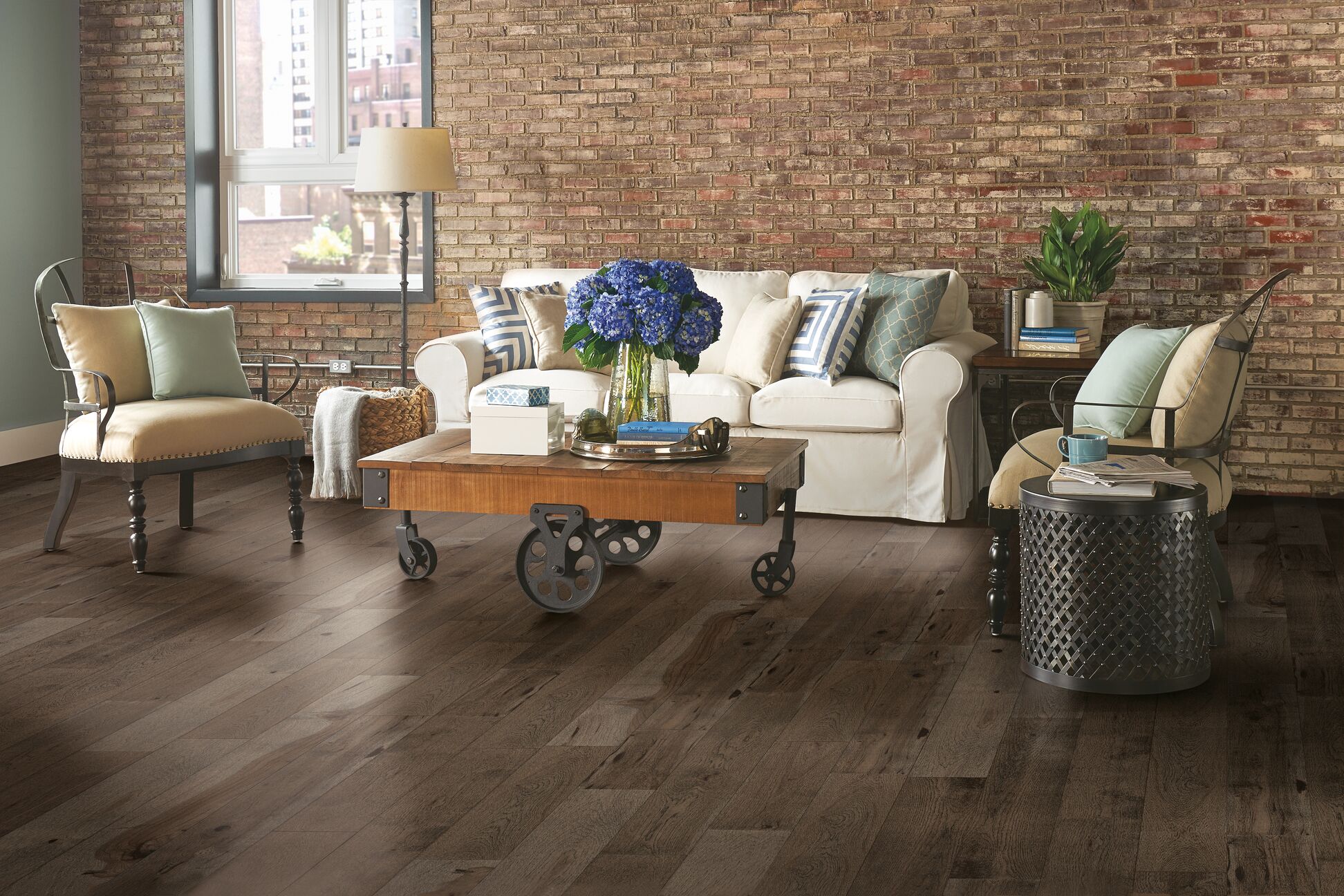
When homeowners in Lancaster think of a "dream home," a rich, grain-filled hardwood floor is almost always part of the vision. There is an unmistakable prestige that comes with real wood—the way it feels underfoot, the way it reflects natural light, and the way it instantly increases the resale value of a property. However, in the Mid-Atlantic region, our climate presents unique challenges. From humid, sweltering summers to bone-dry, freezing winters, your floors are constantly subjected to "atmospheric stress."
At Floors 2 Buy, we have spent over 25 years helping local residents navigate the choice between Solid and Engineered Hardwood. While both are "real wood," they behave very differently depending on where they are installed and how your home’s HVAC system is managed. Choosing the right one is the difference between a floor that lasts a century and one that gaps, cups, or buckles within a few seasons.
Understanding Solid Hardwood: The Traditional Choice
Solid hardwood is exactly what it sounds like: a single, solid piece of timber from top to bottom. Typically 3/4-inch thick, these planks are the "forever floors" of the flooring industry. Because they are solid wood through and through, they can be sanded and refinished multiple times over many decades. If you buy a historic home in downtown Lancaster, chances are you are walking on solid oak or maple that has been there since the early 1900s.
However, solid wood is "hygroscopic." This means it acts like a sponge, absorbing moisture from the air when it’s humid and releasing it when the air is dry. In a typical Pennsylvania summer, solid planks can expand, pressing against each other and potentially "cupping" (where the edges are higher than the center). In the winter, as the wood shrinks, you might notice small gaps between the planks. For this reason, we generally recommend solid wood only for above-grade rooms where moisture and humidity are strictly controlled.
The Engineering Advantage: Stability Reimagined
Engineered hardwood was designed specifically to combat the instability of solid wood. An engineered plank consists of a top layer of real hardwood (the "wear layer") bonded over multiple layers of high-density plywood or a rigid core. These layers are stacked in a cross-grain configuration.
This cross-grain construction creates "dimensional stability." When the wood wants to expand or contract due to Lancaster's humidity swings, the layers pull against each other, keeping the plank flat and stable. This makes engineered hardwood the superior choice for basements, homes with radiant heating, or installations over concrete slabs. Furthermore, modern engineered floors often come in wider planks—up to 7 or 9 inches—which solid wood cannot achieve without a high risk of warping.
The Wear Layer: How Long Will It Last?
One common misconception is that engineered wood is "fake" or "disposable." This couldn't be further from the truth. The longevity of an engineered floor depends on the thickness of its wear layer. A high-end engineered floor with a 4mm or 6mm wear layer can be sanded and refinished just as many times as a solid floor. At our Lancaster showroom, we carry brands like Bruce and Hartco that offer heavy-duty wear layers designed to last for generations.
Installation Considerations and Cost
Installation is another key differentiator. Solid hardwood must be nailed or stapled to a wood subfloor. This limits where it can go. Engineered hardwood, however, offers versatility; it can be nailed, stapled, glued, or even "floated" as a click-together system. This often leads to lower labor costs and faster project timelines.
While solid wood sometimes has a higher upfront material cost for premium species, engineered wood can actually be more expensive if you are looking at ultra-wide, high-quality planks. The key is to evaluate the "Total Cost of Ownership." A floor that remains stable and doesn't require humidity-related repairs in five years is the true winner for your budget.
Ready to feel the difference for yourself? Visit Floors 2 Buy or call (717) 321-9146 to request an appointment and let our experts guide you to the perfect hardwood selection!


